Live Wednesday, 16 September 2026
BREAKING
Egyptian FM holds calls with Iranian counterpart , U.S. Envoy on regional developmentsZverev into French Open last-fourIsraeli fire kills four people in Gaza, medics sayEgypt, Singapore discuss expanding cooperation in tourism, antiquitiesAncelotti eases Neymar W. Cup fearsArab, Islamic states condemn Israeli actions at Al-AqsaSyria Hopes for Terrorism Delisting to Spur Economic RecoveryBenfica linked with Fulham’s SilvaVan der Breggen takes Giro leadKremlin: Saudi Arabia Named Guest of Honor at St. Petersburg Economic ForumTrump administration proposes 25% tariff to punish Brazil over trade practicesرياضة محلية‘Really cool to share this journey with her’: Michelle Wie West playing for her family at U.S. Women’s OpenArchaeological Replicas Showcase Saudi Arabia’s Rich History at Kuala Lumpur Int’l Book FairRenewable Energy Helps Red Sea Global Avoid 118,000 Tons of Carbon EmissionsLetter: Carol Rumens obituaryEngland v India: third and deciding women’s T20 cricket international – liveHealthVolunteers serve comfort food in a worrying Ebola outbreak – Sault Michigan NewsEconomyTrump signs AI executive order asking companies to give government early access to modelsVarietySouth West Water fined nearly £2million after supplying homes with parasite-ridden water that left four people in hospital – and telling people it was safe to drinkScience & TechYour car is following you – how to reclaim your data privacy on the open roadEgyptian FM holds calls with Iranian counterpart , U.S. Envoy on regional developmentsZverev into French Open last-fourIsraeli fire kills four people in Gaza, medics sayEgypt, Singapore discuss expanding cooperation in tourism, antiquitiesAncelotti eases Neymar W. Cup fearsArab, Islamic states condemn Israeli actions at Al-AqsaSyria Hopes for Terrorism Delisting to Spur Economic RecoveryBenfica linked with Fulham’s SilvaVan der Breggen takes Giro leadKremlin: Saudi Arabia Named Guest of Honor at St. Petersburg Economic ForumTrump administration proposes 25% tariff to punish Brazil over trade practicesرياضة محلية‘Really cool to share this journey with her’: Michelle Wie West playing for her family at U.S. Women’s OpenArchaeological Replicas Showcase Saudi Arabia’s Rich History at Kuala Lumpur Int’l Book FairRenewable Energy Helps Red Sea Global Avoid 118,000 Tons of Carbon EmissionsLetter: Carol Rumens obituaryEngland v India: third and deciding women’s T20 cricket international – liveHealthVolunteers serve comfort food in a worrying Ebola outbreak – Sault Michigan NewsEconomyTrump signs AI executive order asking companies to give government early access to modelsVarietySouth West Water fined nearly £2million after supplying homes with parasite-ridden water that left four people in hospital – and telling people it was safe to drinkScience & TechYour car is following you – how to reclaim your data privacy on the open road
Prices
US dollar52.06EGPEuro60.07EGPBritish pound70.16EGPSaudi riyal13.88EGPUAE dirham14.18EGPKuwaiti dinar168.80EGPJordanian dinar73.43EGPQatari riyal14.30EGPTurkish lira1.07EGPChinese yuan7.74EGPGold 247,280.77EGP/gGold 216,370.67EGP/gGold 185,460.58EGP/gSilver108.40EGP/g
NEWS BREAKING
Lifestyle

‘Kills 99.9% of germs’: are we overdoing hygiene?
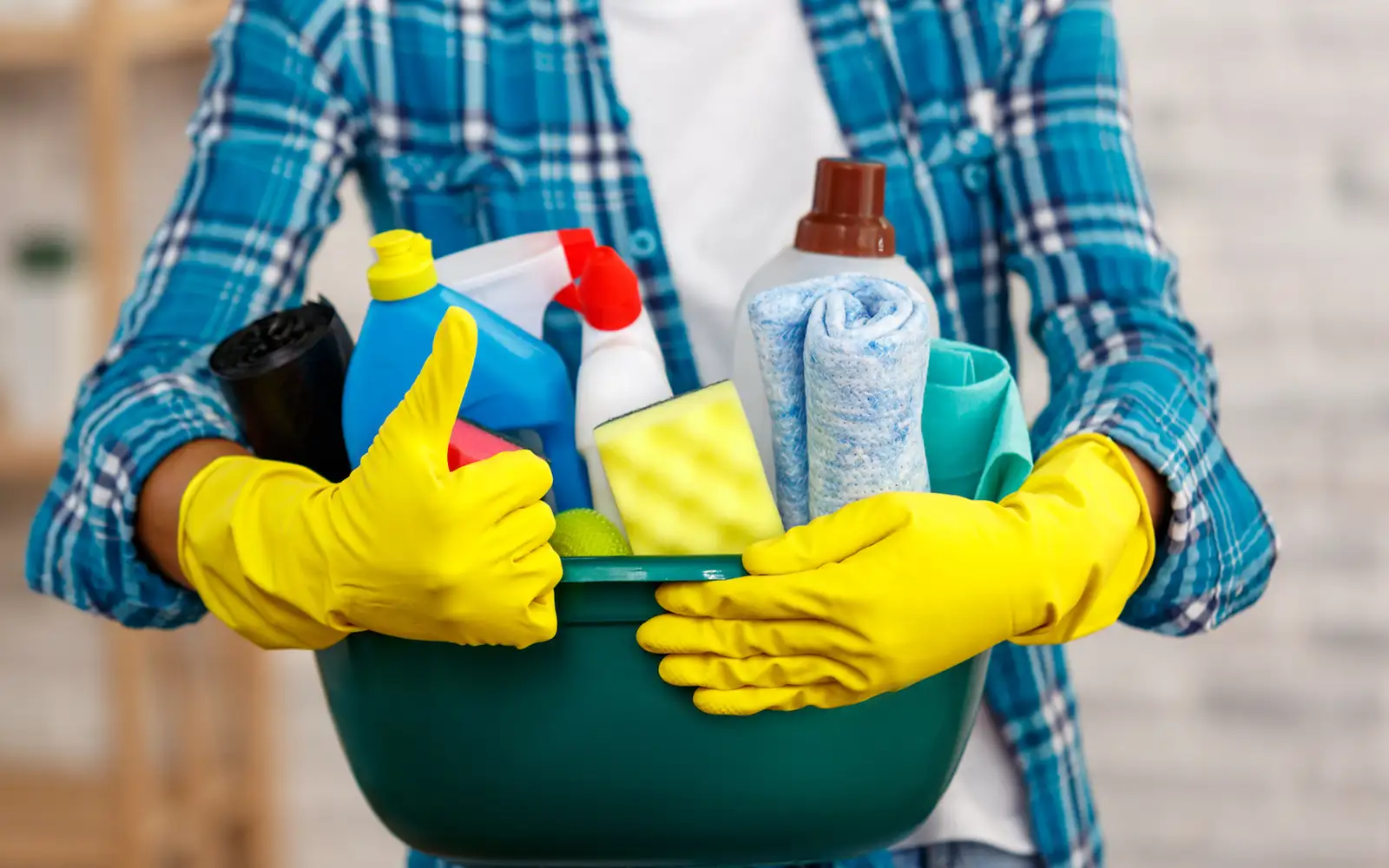
Experts say people might be using stronger hygiene products more often than they actually have to. (Envato Elements pic)

PETALING JAYA: For years, the phrase “kills 99.9% of germs” has been treated almost like the gold standard of hygiene. The bigger the number, the safer the product, it seems.

But as antibacterial soaps, sanitisers and disinfectants become a routine part of daily life, some health experts say many people might be using stronger hygiene products more often than they actually need to.

The issue is not hygiene itself, but the growing tendency to treat everyday situations as though they require hospital-level disinfection.

In high-risk environments such as healthcare settings or during illness outbreaks, high-strength antibacterial products play an important role. But outside those situations, constantly reaching for the strongest option may not always provide extra protection – and in some cases, could create other problems over time.

One of the most common is skin irritation. Frequent cleansing, especially repeated handwashing and heavy sanitiser use, can gradually strip away the skin’s natural protective barrier.

Dermatological studies have linked excessive hand washing to higher risks of dryness, irritation and eczema, particularly when done more than eight to 10 times a day.

Many people simply notice their skin becoming more sensitive, reactive or uncomfortable without connecting it to their hygiene habits.

The misconception, experts say, is the idea that removing more bacteria automatically means better protection. But in reality, not all microbes are harmful.

The body naturally hosts communities of beneficial bacteria that help support the skin’s barrier and immune defence. Everyday exposure to microbes is often harmless and, in some cases, necessary for maintaining balance.

Removing more bacteria doesn’t necessarily mean better protection – if anything, it will likely lead to skin irritation. (Envato Elements pic)

That does not mean people should stop practising good hygiene. Rather, it raises a more practical question: does every situation really require maximum-strength antibacterial cleansing?

The same conversation is now extending beyond hand cleanliness. Research has shown that repeated use of strong antiseptic mouthwashes may disrupt the oral microbiome, while overly harsh intimate hygiene products can also affect the body’s natural balance.

In many cases, the goal is not to eliminate all bacteria, but to maintain a healthier environment overall.

As awareness around the microbiome grows, hygiene habits are also beginning to shift. Instead of focusing purely on “maximum kill rates”, newer approaches increasingly emphasise gentler formulations designed for regular daily use, particularly for people with sensitive skin or those prone to irritation.

The broader message is not about “less hygiene” – it is about using the right level of hygiene for the situation. A strong disinfectant may make sense after handling raw food, caring for someone who is ill, or cleaning high-risk surfaces.

But for routine daily cleansing, experts say gentler products are often sufficient.

Over time, smarter hygiene may have less to do with using the strongest possible product, and more to do with understanding when enough is enough.

This article was written by Dr Lai Chin Wei from the Nanotechnology & Catalysis Research Centre, Universiti Malaya.

المصدر: Free Malaysia Today
0 Views

أضف تعليقاً

Your email address will not be published. Required fields are marked *