Expert warns prolonged Kedah planting delay may disrupt rice production
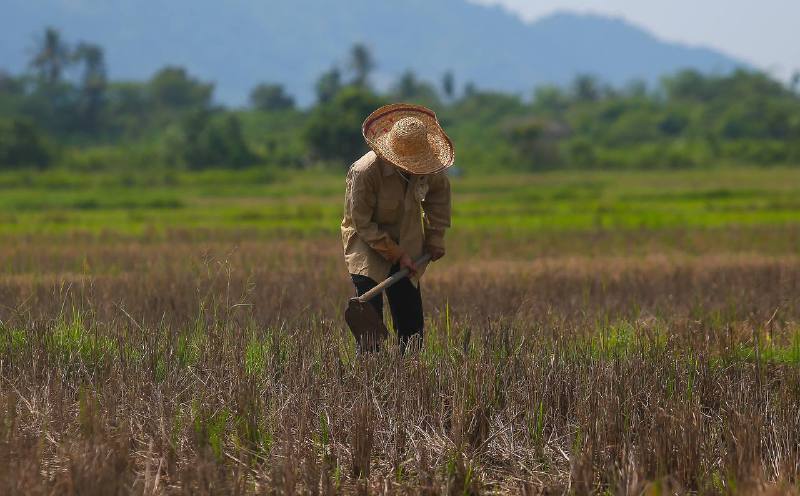
KUALA LUMPUR: If the padi planting delay in Kedah extends into June or July — more than one to two months behind schedule beginning from mid-April to mid-May — the disruption could significantly affect national production, said a food security expert.
Universiti Utara Malaysia (UUM) senior research fellow Associate Professor Dr Bakri Mat said while reports of the delay were concerning, they could not yet be interpreted as evidence of a looming supply crisis, as other data had suggested more than half of padi farmers in the state were already engaged in ploughing and field preparations.
“This situation is still evolving. It has not yet fully stabilised, and the figures need more precise verification,” he told the New Straits Times.
His comments come in response to figures from Malaysian Padi Farmers Association (PeSAWAH) indicating that only about 10 per cent of Kedah’s 56,000 padi farmers — including those in the Muda Agricultural Development Authority (Mada) area — had begun planting, even though the dry-season schedule was supposed to have started last month or early this month.
While Malaysia could still rely on existing stocks and imports in the short term, he said the greater concern was disruption to the domestic production cycle.
He added that the issue went beyond whether farmers had begun ploughing or planting, pointing instead to the broader resilience of the national padi system under pressure from water constraints, unpredictable weather, rising costs and a subsidy-dependent support structure.
“This should not be viewed as a seasonal disruption. It signals that Malaysia’s rice security is approaching a critical juncture,” he said, adding that the northern padi zone should be regarded as strategic national infrastructure.
Malaysia’s rice self-sufficiency level stood at about 52.9 per cent in 2024, far below the 75 per cent target for last year and 80 per cent by 2030, underscoring what he described as a fragile position.
Bakri cautioned that any attempt to raise padi prices without a comprehensive policy framework could ultimately shift the burden to consumers, millers and the government.
© New Straits Times Press (M) Bhd
المصدر: New Straits Times