Live Tuesday, 28 July 2026
BREAKING
Egyptian FM holds calls with Iranian counterpart , U.S. Envoy on regional developmentsZverev into French Open last-fourIsraeli fire kills four people in Gaza, medics sayAncelotti eases Neymar W. Cup fearsArab, Islamic states condemn Israeli actions at Al-AqsaSyria Hopes for Terrorism Delisting to Spur Economic RecoveryBenfica linked with Fulham’s SilvaVan der Breggen takes Giro leadKremlin: Saudi Arabia Named Guest of Honor at St. Petersburg Economic Forumرياضة محلية‘Really cool to share this journey with her’: Michelle Wie West playing for her family at U.S. Women’s OpenArchaeological Replicas Showcase Saudi Arabia’s Rich History at Kuala Lumpur Int’l Book FairRenewable Energy Helps Red Sea Global Avoid 118,000 Tons of Carbon EmissionsLetter: Carol Rumens obituaryEngland v India: third and deciding women’s T20 cricket international – liveHealthVolunteers serve comfort food in a worrying Ebola outbreak – Sault Michigan NewsEconomyTrump signs AI executive order asking companies to give government early access to modelsVarietySouth West Water fined nearly £2million after supplying homes with parasite-ridden water that left four people in hospital – and telling people it was safe to drinkScience & TechYour car is following you – how to reclaim your data privacy on the open roadWorldHigh school valedictorian yanked from stage after hijacking speech to rant against Israel and ICESaudi FM Receives Written Message from Russian CounterpartEgyptian FM holds calls with Iranian counterpart , U.S. Envoy on regional developmentsZverev into French Open last-fourIsraeli fire kills four people in Gaza, medics sayAncelotti eases Neymar W. Cup fearsArab, Islamic states condemn Israeli actions at Al-AqsaSyria Hopes for Terrorism Delisting to Spur Economic RecoveryBenfica linked with Fulham’s SilvaVan der Breggen takes Giro leadKremlin: Saudi Arabia Named Guest of Honor at St. Petersburg Economic Forumرياضة محلية‘Really cool to share this journey with her’: Michelle Wie West playing for her family at U.S. Women’s OpenArchaeological Replicas Showcase Saudi Arabia’s Rich History at Kuala Lumpur Int’l Book FairRenewable Energy Helps Red Sea Global Avoid 118,000 Tons of Carbon EmissionsLetter: Carol Rumens obituaryEngland v India: third and deciding women’s T20 cricket international – liveHealthVolunteers serve comfort food in a worrying Ebola outbreak – Sault Michigan NewsEconomyTrump signs AI executive order asking companies to give government early access to modelsVarietySouth West Water fined nearly £2million after supplying homes with parasite-ridden water that left four people in hospital – and telling people it was safe to drinkScience & TechYour car is following you – how to reclaim your data privacy on the open roadWorldHigh school valedictorian yanked from stage after hijacking speech to rant against Israel and ICESaudi FM Receives Written Message from Russian Counterpart
Prices
US dollar50.72EGPEuro57.71EGPBritish pound67.45EGPSaudi riyal13.52EGPUAE dirham13.81EGPKuwaiti dinar163.64EGPJordanian dinar71.53EGPQatari riyal13.93EGPTurkish lira1.07EGPChinese yuan7.49EGPGold 246,550.71EGP/gGold 215,731.87EGP/gGold 184,913.03EGP/gSilver93.01EGP/g
NEWS BREAKING
World

Love birds: Twice-extinct parakeet gets lifeline from randy pair
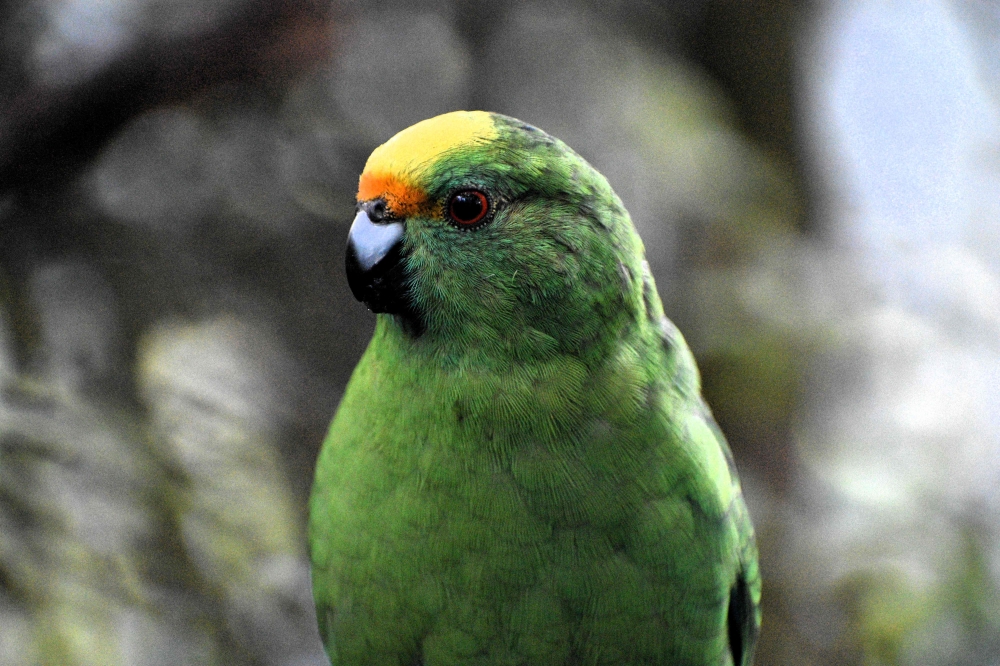
WELLINGTON, May 28 — One of the world’s rarest parakeets has seen its numbers surge thanks to a pair of super breeders now responsible for more than 10 per cent of the total population.

The New Zealand native kakariki karaka—or orange-fronted parakeet—is critically endangered and has twice been declared extinct, only to be rediscovered.

There are around 450 of the birds left, mainly in sanctuaries and predator-free islands but also in wild populations.

Parents Nacho and Trixie were paired up in 2024 at the Isaac Conservation and Wildlife Trust in Christchurch and have since produced 55 chicks, including 33 this year alone.

Wildlife manager Leigh Percasky praised “super-mum” Trixie.
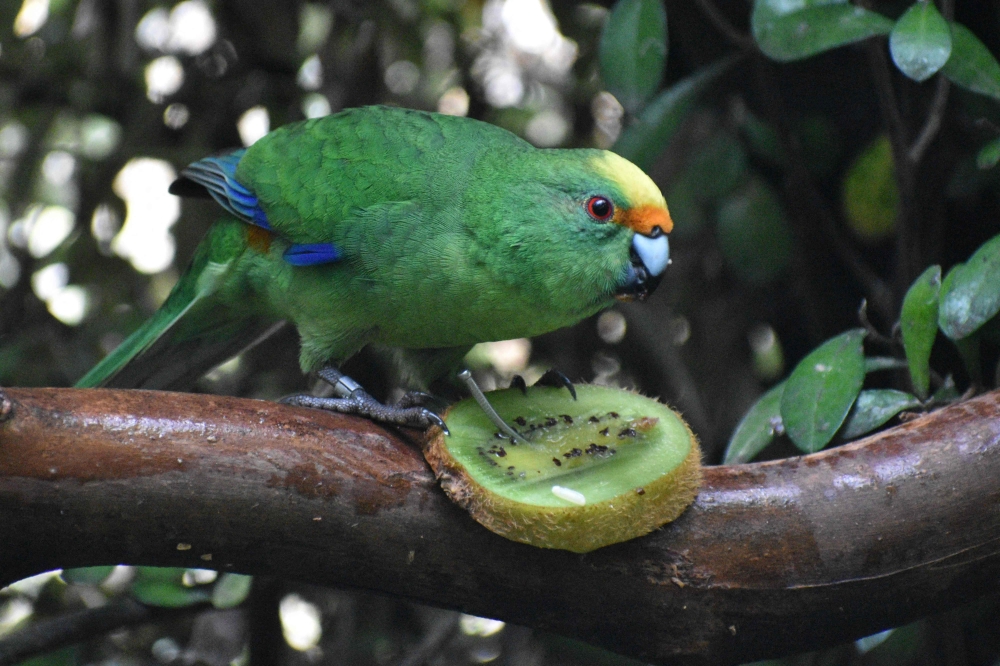
A handout photo taken in Christchurch on May 20, 2026 and received May 27, 2026 from the The Isaac Conservation and Wildlife Trust shows Nacho - part of a breeding pair of the rare New Zealand kakariki karaka parakeets - who have produced 55 chicks in two years, more than 10% of the total population. One of the world's rarest parakeets has seen its numbers surge thanks to a pair of super breeders now responsible for more than 10 percent of the total population. The New Zealand native kakariki karaka -- or orange-fronted parakeet -- is critically endangered and has twice been declared extinct, only to be rediscovered. There are around 450 of the birds left, mainly in sanctuaries and predator-free islands but also in wild populations. — Photo by Leigh Percasky / The Isaac Conservation and Wildlife via AFP
A handout photo taken in Christchurch on May 20, 2026 and received May 27, 2026 from the The Isaac Conservation and Wildlife Trust shows Nacho – part of a breeding pair of the rare New Zealand kakariki karaka parakeets – who have produced 55 chicks in two years, more than 10% of the total population. One of the world’s rarest parakeets has seen its numbers surge thanks to a pair of super breeders now responsible for more than 10 percent of the total population. The New Zealand native kakariki karaka — or orange-fronted parakeet — is critically endangered and has twice been declared extinct, only to be rediscovered. There are around 450 of the birds left, mainly in sanctuaries and predator-free islands but also in wild populations. — Photo by Leigh Percasky / The Isaac Conservation and Wildlife via AFP

“The breeding season has ended and yet she’s still producing eggs and raising chicks,” Percasky said.

“Ideally we’d prefer her to stop so she can have a rest, but she shows no signs of that with another seven chicks in her most recent clutch.

“Nacho also deserves credit as he’s responsible for finding food for both Trixie and the chicks which is incredibly busy.”

Captive breeding 

Wayne Beggs, lead of the Department of Conservation’s kakariki karaka recovery programme, said breeding pairs like Nacho and Trixie were ensuring the species didn’t go extinct.

“We rely on the captive breeding programmes as without them we couldn’t establish new sites,” Beggs said.
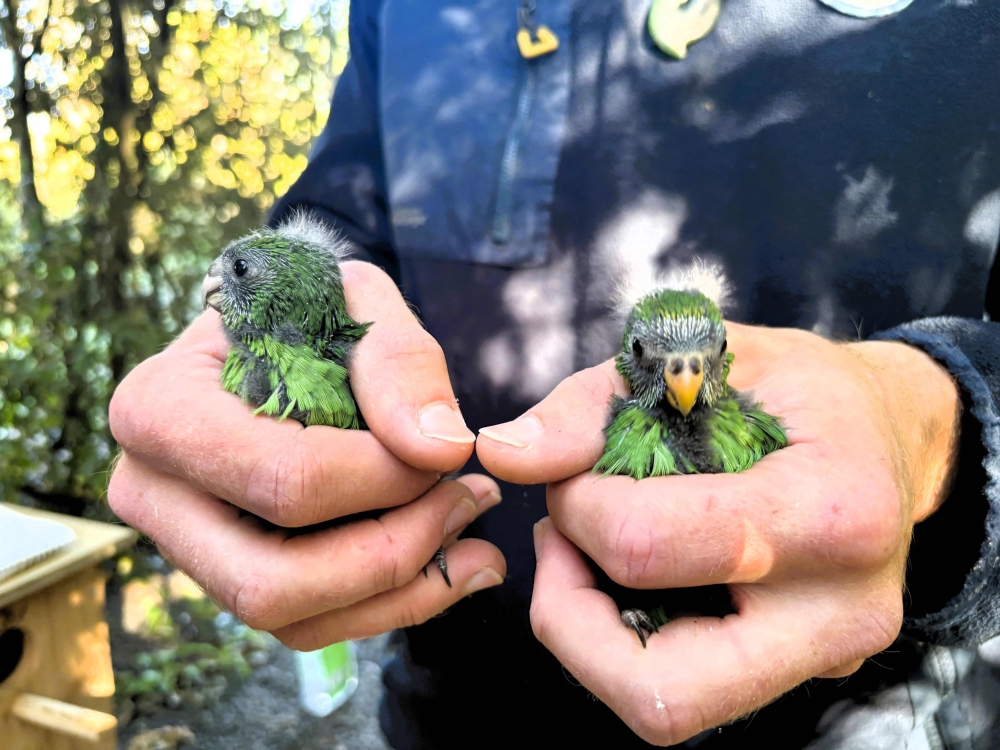
A handout photo taken in Christchurch on May 20, 2026 and received May 27, 2026 from the The Isaac Conservation and Wildlife Trust shows two chicks produced by Nacho and Trixie - a breeding pair of the rare New Zealand kakariki karaka parakeets - who have produced 55 chicks in two years, more than 10 percent of the total population. One of the world's rarest parakeets has seen its numbers surge thanks to a pair of super breeders now responsible for more than 10 percent of the total population. The New Zealand native kakariki karaka — or orange-fronted parakeet — is critically endangered and has twice been declared extinct, only to be rediscovered. There are around 450 of the birds left, mainly in sanctuaries and predator-free islands but also in wild populations. — Photo by Leigh Percasky / The Isaac Conservation and Wildlife via AFP
A handout photo taken in Christchurch on May 20, 2026 and received May 27, 2026 from the The Isaac Conservation and Wildlife Trust shows two chicks produced by Nacho and Trixie – a breeding pair of the rare New Zealand kakariki karaka parakeets – who have produced 55 chicks in two years, more than 10 percent of the total population. One of the world’s rarest parakeets has seen its numbers surge thanks to a pair of super breeders now responsible for more than 10 percent of the total population. The New Zealand native kakariki karaka — or orange-fronted parakeet — is critically endangered and has twice been declared extinct, only to be rediscovered. There are around 450 of the birds left, mainly in sanctuaries and predator-free islands but also in wild populations. — Photo by Leigh Percasky / The Isaac Conservation and Wildlife via AFP

“The wild populations are very vulnerable to predators, so we always need backup populations.”

Percasky said Nacho and Trixie had made a “massive contribution” to the survival of their species, but he wants the love birds to “have a well-earned break” after their latest clutch.

“I’m not sure where they get all their energy from.” — AFP


المصدر: Malay Mail

0 Views

أضف تعليقاً

Your email address will not be published. Required fields are marked *