NST Leader: The power of simple fixes
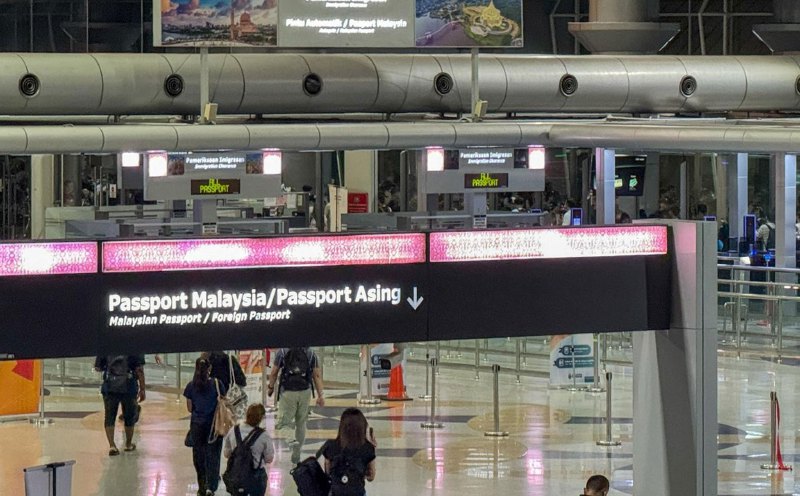
Sometimes, the simplest fixes work best. The Johor Immigration Department’s decision to remove numbers from immigration counters sounds almost laughably simple.
Yet the simple fix seems to have done what layers of procedures, warnings and anti-corruption messaging struggled to achieve: disrupt illegal entry syndicates operating through compromised officers at border checkpoints.
Let’s not get fixated with immigration enforcement. It’s more than that.
It is about how governments and institutions often overlook practical, low-cost, common-sense solutions because they are too busy pursuing grand reforms, expensive technology or bureaucratic complexity.
Until they unleash the power of lateral thinking as the Johor Immigration Department has done.
What happened at our southern border brings home an important lesson in governance and public administration: many abuses thrive not because systems are weak, but because routines become too predictable and, worse, exploitable.
As it has been going on at the Johor Immigration counters. There, syndicates were found to be coordinating with corrupt insiders to direct undocumented migrants to specific counters, where the compromised officers were waiting.
According to Bernama, Johor Immigration director Datuk Mohd Rusdi Mohd Darus said the coordination between the syndicates and illegal migrants starts long before they board the plane to Malaysia, meaning the bribery network is international.
Rusdi said the measure to remove numbers from Immigration counters was introduced after the authorities discovered “counter-setting” activities involving internal staff and bribery syndicates.
Now, with no counter numbers displayed, syndicates are no longer able to direct the undocumented travellers to the compromised officers.
Unsurprisingly, the simple fix is reported to have resulted in “positive results”, with Johor’s main air terminal now recording zero cases. Ditto complaints related to misconduct of officers.
But what happened to the “officers who received substantial bribes”? Rusdi said last year, 20 officers faced disciplinary action for involvement in counter-setting activities while five others were penalised over flying-passport offences.
We take it that the five “penalised” officers were the three charged in January with bribery connected to counter-setting operations in Pasir Gudang and Muar ferry terminals, and the two officers charged separately over alleged bribery.
As for “disciplinary action”, we need to know more. The Immigration Department must be more transparent with how it deals with accountability, a weakness in the civil service that the Auditor-General and the Malaysian Anti-Corruption Commission have raised regularly.
Let’s not forget Malaysia’s goal of being among the top 25 countries in the Corruption Perception Index by 2033.
Now back to simple fixes. Sometimes, disrupting patterns is more effective than adding more rules.
Simple fixes are not commonly championed for a reason. Those who are mired in bureaucratic complexity frequently dismiss simplicity as unsophisticated, when in reality, it can be highly strategic.
But let us not pretend that this is a silver bullet. Syndicates evolve quickly and corruption networks adapt just as speedily.
Sustained enforcement, staff rotation, surveillance, audits and institutional accountability must still follow.
© New Straits Times Press (M) Bhd
المصدر: New Straits Times