A Ceasefire Alone Won’t Solve Lebanon’s Mental Health Crisis
I recently traveled to Lebanon. Every person I met showed signs of trauma.
There were mothers fearful about what the future would bring for their displaced families, students no longer able to attend school, and one woman who had already attempted suicide because she no longer saw hope ahead. The sound of drones flying above and the constant worry about the impacts of rockets and airstrikes have left people living in a permanent state of disarray.
May marks mental health awareness month—and the Lebanese people have gone unnoticed for far too long.
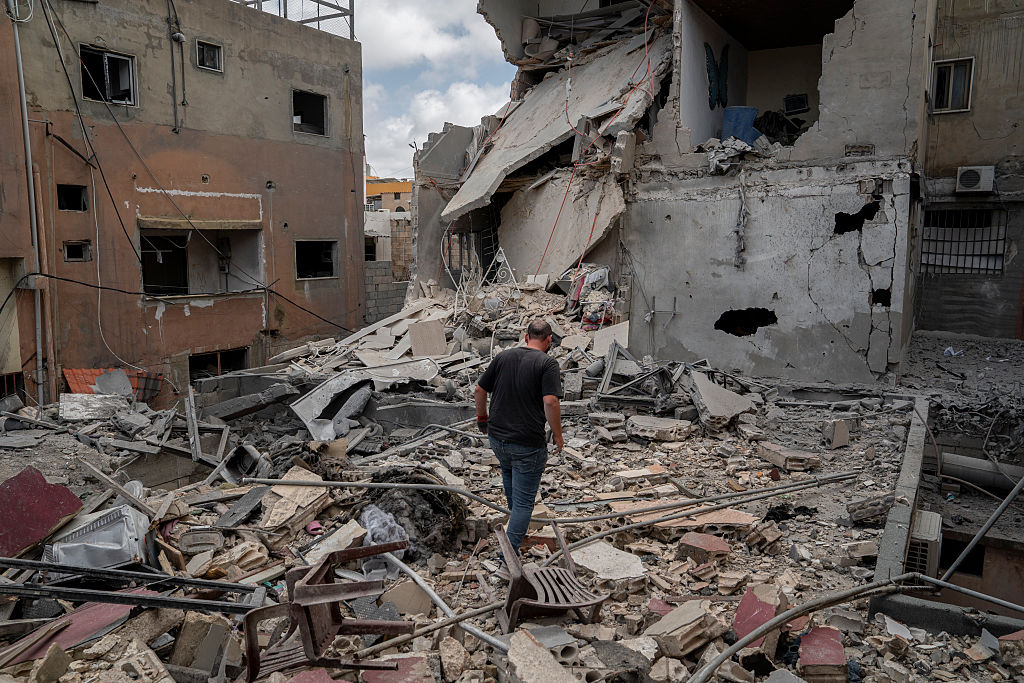
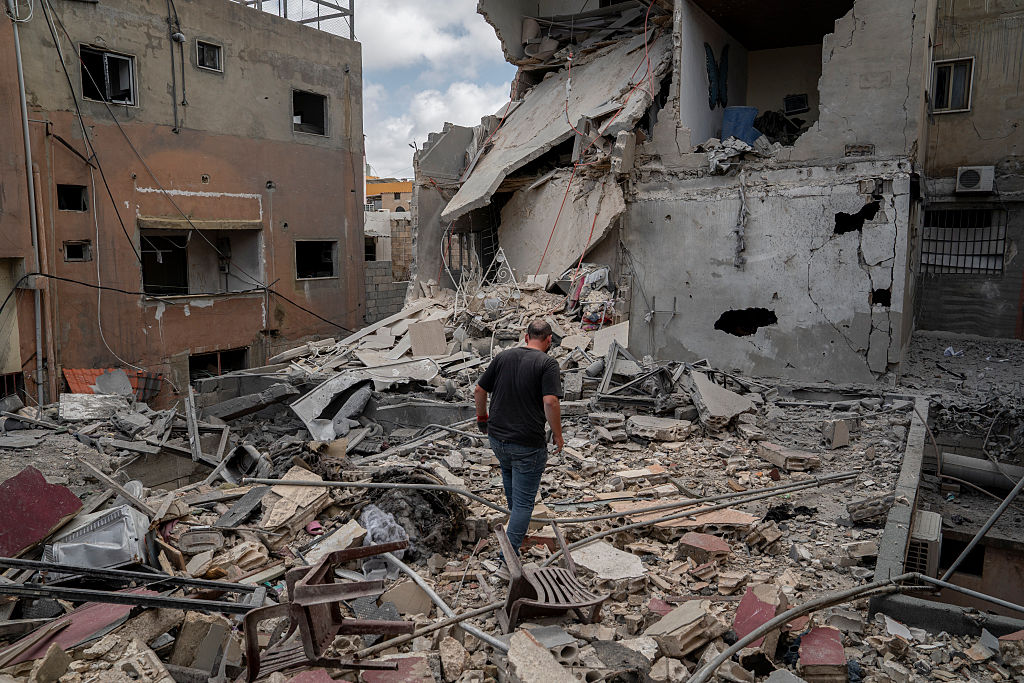
Lebanon is still reeling from cycles of conflict and insecurity. Although a temporary ceasefire has been in place since April 17, repeated violations have continued to undermine any real sense of safety or stability for civilians. This temporary ceasefire followed renewed escalation in the wake of the Iran War, which has included Hezbollah rocket fire into Israel, and widespread Israeli airstrikes and displacement orders across large parts of Lebanon. Forcing more than one million civilians from their homes, and killing more than 2,800 people, according to Lebanese health authorities.
A genuine ceasefire would bring desperately needed peace and stability, but it will not heal the invisible wounds left behind or erase the trauma that so many in Lebanon now carry.
Already before the latest escalation, Lebanon’s mental healthcare system was stretched to its limits. Years of conflict, COVID, and the Beirut port explosion in 2020 resulted in Lebanon facing some of the highest rates of mental health conditions in the region. The International Rescue Committee (IRC) estimates that half of Lebanon’s population has screened positive for depression, anxiety, or post-traumatic stress disorder. However, there have long been huge gaps in mental health services to meet these challenges, and currently, there are believed to be just 70 psychiatrists left in Lebanon to serve the tremendous needs across the country. These challenges are the exact reason my own father, Akram, who left Lebanon for the U.S. in 1973, became a psychiatrist.
Experts told me that over the past two months, adolescent suicide rates in Lebanon have climbed. Dr. Rabih Chammay, head of the National Mental Health Programme at Lebanon’s Ministry of Public Health, said he expects the need for mental health resources to sharply rise following a ceasefire. When people finally emerge from survival mode and begin to internalize their grief and trauma, demand for such care spikes, he explained.
We must ensure that people in conflict zones are not abandoned at the exact moment psychological trauma becomes most acute. This is why the IRC supports Lebanon’s 24/7 suicide prevention hotline. And with over a million people now displaced, it is why the IRC has scaled up support for the hotline’s Mobile Crisis Team, which is dispatched to deliver urgent psychological care to people unable to access health facilities.
Innovative tools are also helping expand reach to adolescents in Lebanon. One example is Step by Step, a free, five-week program developed by the World Health Organization and Lebanon’s National Mental Health Program. Accessible through a mobile app and complemented by weekly phone support, the program provides on-the-go care. At the same time, the IRC is scaling up Self Help Plus, a self-guided podcast series of five pre-recorded episodes based on the WHO’s evidence-based stress management program. It is designed to support individuals experiencing anxiety, stress, or depression.
But the painful truth I saw first-hand in Lebanon is that while tools exist, they require sustained investment to save lives. Global humanitarian funding has fallen by roughly 40% year on year, and mental health remains one of the most underfunded areas of global humanitarian response, despite being a lifesaving investment. Too often, governments prioritize humanitarian action with immediate and visible outputs like food delivered, shelters built, and vaccines administered. Mental health outcomes are less visible, slower to emerge, and harder to quantify.
These lifesaving interventions cannot be maintained or scaled up to reach all those who need them without sustained donor investment, and those investments cannot wait. As we speak, the IRC’s mental health programs are only funded through the summer. Without renewed action, we will be forced to make drastic decisions. The time for investment has never been more clear.
As in all humanitarian crises, children pay the highest cost. The situation in Lebanon is no different. At one shelter I visited, I met some of the country’s over 390,000 displaced children, including 13-year-old Bassem. He told me he wants to become an architect because his home in Lebanon was destroyed in a bombing. He proudly showed me a detailed drawing of the apartment building he had designed with the Lebanese flag flying on top.
He then looked up and said in Arabic, “I love Lebanon.” Bassem still has hope for the future. Now, children like him need the international community’s action. They deserve nothing less.
المصدر: TIME