A ‘Godzilla’ El Niño is coming. Here’s how it could affect UK weather
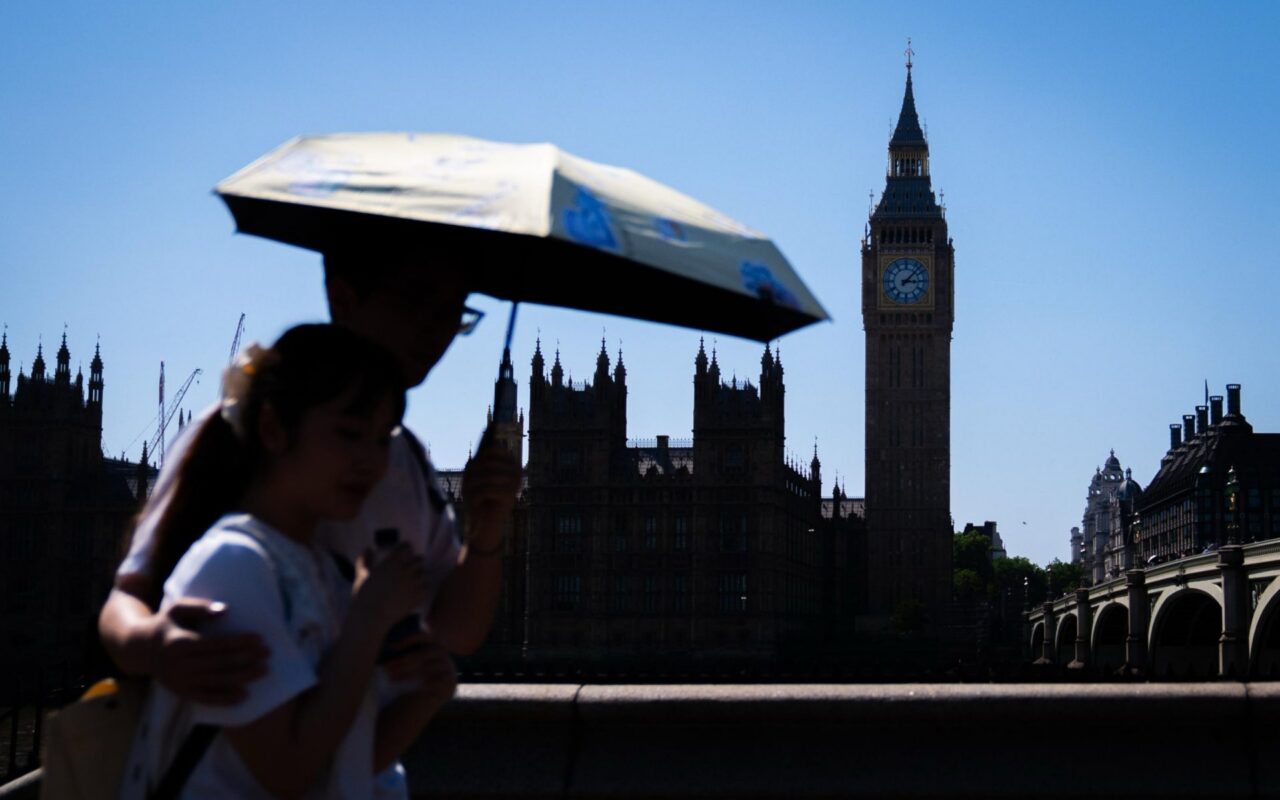
A “Godzilla” El Niño, which raises global temperatures and supercharges extreme weather, is likely to emerge this summer, climate experts warn.
António Guterres, the UN Secretary General, warned the upcoming weather pattern “will pour fuel on the fire of a warming world” and urged countries to prepare.
The impacts on the UK are less predictable than other parts of the world, but El Niño could increase the likelihood of higher temperatures this summer and into next year. Several forecasters are predicting this El Niño could be one of the strongest ever recorded, leading some to dub it a “super” or “Godzilla” event.
What is the ‘Godzilla’ El Niño?
Global weather patterns are heavily affected by a naturally occurring transition between warm and cool weather patterns in the tropical Pacific Ocean, known as El Niño and La Niña.
The cooler phase, La Niña, has been dominant since December 2024. But the warmer phase, El Niño, is expected to emerge soon and last for nine to 12 months. On Tuesday, the World Meteorological Organisation predicted an 80 per cent likelihood El Niño would emerge before August.
“The world must treat it as the urgent climate warning it is,” Guterres said in a video statement.
There are clues that this upcoming El Niño could be a particularly strong one, leading some to brand it a “Godzilla” El Niño.
Currently, the world’s hottest year on record is 2024, which occurred during the last El Niño phase. Many of the warmest years on record have coincided with El Niño events.
What is the impact on the UK?
Due to the UK’s distance from the Pacific, the impact here is less predictable than other regions.
“El Niño takes place thousands of kilometres away from north‑west Europe, so its influence on UK weather is indirect. While there are sometimes links between El Niño events and European weather patterns, these are far from guaranteed,” the Met Office said.
Typically, an El Niño brings warmer and drier conditions to the UK during summer. It also increases the likelihood of colder winters. However, many other factors influence the UK’s weather. The UK’s hottest year on record is currently 2025, which occurred during a La Niña phase.
Temperature records have been broken this year as well. This past May bank holiday was the hottest bank holiday on record in the UK, with temperatures surpassing 34°C in London. The country also witnessed its hottest May day.
Beyond temperatures, Britons could also experience the impact of extreme weather in other ways, such as through increased food prices, owing to factors such crop failures, supply disruption due to extreme weather, or rising energy costs due to climate disruption.
What to know when booking your summer holiday
An element of uncertainty is already hanging over the summer holidays as jet fuel shortages amid the Iran crisis prompt many airlines to cancel flights and increase prices.
Holidaymakers may now also want to consider the potential impact of El Niño when booking trips for the rest of this year.
While the UK and Europe are among the parts of the world least impacted by the climate event, recent years have shown that extreme heat is a factor holidaymakers should still be considering, particularly when booking summer holidays in the Mediterranean.
Among the popular holiday destinations that are likely to be most impacted are South East Asia and Australia, which tend to be drier than normal during El Niño phases. This can lead to extreme weather events such as drought and forest fires.
On the other side of the Pacific, countries in South America can experience much wetter weather, resulting in flooding.
المصدر: iNews