Fake invoices, procurement fraud still top corruption cases in Johor – MACC
JOHOR BARU: Falsified procurement documents and fake invoices remain among the most common corruption offences uncovered in Johor, even as the Malaysian Anti-Corruption Commission (MACC) intensifies scrutiny of high-profile bribery cases involving influential figures.
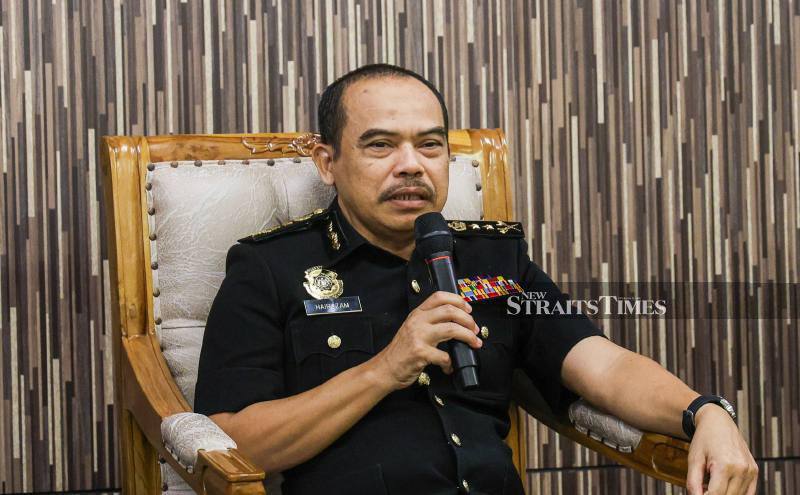
Johor MACC director Datuk Hairuzam Mohmad Amin @ Hamim said procurement-related fraud continued to account for the bulk of investigations in the state, although detailed statistics could not be disclosed.
He said investigators remained thorough and cautious, particularly in cases involving VVIPs and senior officials, amid public criticism that the commission was often too guarded in handling high-profile probes.
“We have to strike a balance between public demand for transparency and the need to protect the integrity of ongoing investigations,” he said during a dialogue session with media practitioners at the Johor MACC headquarters here today.
Hairuzam said details could not be disclosed while investigations were ongoing as there was a risk of evidence being compromised or destroyed.
He said some cases also involved sensitive allegations which, if disclosed prematurely, could unfairly damage reputations before charges were filed.
“Only after legal charges are brought can certain details be made public,” he said.
His remarks come amid growing public scrutiny over several high-profile corruption investigations nationwide, with anti-graft authorities under pressure to provide updates on politically linked cases.
Hairuzam also said MACC was strengthening preventive efforts by expanding anti-corruption outreach programmes to rural and remote communities, including island settlements and schools.
Under the Wira Anti Rasuah programme, Johor MACC plans to conduct outreach activities in Pulau Tinggi, Mersing, in September to raise awareness on integrity and the dangers of corruption among isolated communities.
He said the initiative aimed to ensure anti-corruption messages reached communities far from urban centres, where access to information may be limited.
“When information does not reach them, we cannot blame them for lacking awareness on corruption and integrity issues. That is why we are focusing on remote areas,” he said.
Hairuzam said the grassroots engagement also aimed to build trust and encourage the public to report abuse of power and misconduct directly to enforcement authorities.
He said that MACC would continue intensifying education and awareness programmes through cooperation with community leaders, schools and government agencies to strengthen a culture of integrity.
He also urged the media to play a key role in disseminating information on MACC’s efforts to combat corruption and abuse of power.
© New Straits Times Press (M) Bhd
المصدر: New Straits Times