مباشر الأربعاء، 16 سبتمبر 2026
عاجل
رياضة محليةالجيش الباكستاني: “اتفاق مكة” دفاعي ويتعلق بالردع الجماعي (فيديو)منوعاتارتفاع ضحايا انهيار مبنى يؤوي نازحين بغزة إلى 11 شهيدا بينهم 5 أطفالالعالمسماء أكتوبر تتزين بظواهر فلكية مميزةسياسةبعيد ميلادها.. أبرز المحطات الفنية للفنانة ليلى نظميسياسةمنتخب السلة 3×3 يبدأ مشواره في كأس العالم بمواجهتي إسبانيا ولاتفياالعالمروسيا.. تطوير مادة من بوليمر طبيعي تزيد متانة الأسمنت بنسبة 30%العالمدولة عربية في واجهة الاكتشافات… أين ظهرت أبرز ثروات الذهب والمعادن في سبتمبر 2026؟اقتصادمصر تخفض شحنات الغاز المسال الموجهة للتغويز في الأردن خلال سبتمبرسياسةرئيس الوزراء يتابع مستهدفات برنامج إعادة هيكلة الشركات القابضةسياسةمواجهات مصرية قوية في ختام ربع نهائي قطر كلاسيك للاسكواشسياسةمصادر عبرية: إسرائيل تنقل معلومات استخباراتية للسعودية عن الحوثيين وقلق بالغ على مستقبل ميناء إيلاتالعالمالكونغرس الأمريكي يصوت لوقف الحرب مع إيرانالعالممحكمة كورية جنوبية تلزم الشمال بدفع 32.5 مليون دولار مقابل تفجير مكتب الاتصال المشتركسياسةالأوقاف تحيي اليوم الدولي للعلم والتكنولوجيا.. وتؤكد: الإسلام يدعو إلى العلم وعمارة الأرضاقتصادتفاصيل لقاء رئيس الوزراء مع المطورين العقاريينسياسةالدفاع المدني بغزة: وفاة 9 فلسطينيين وإصابة 14 وفقدان العشرات في انهيار مبنى يؤوى نازحين بمدينة غزةاقتصادسعر الخضروات والفاكهة اليوم الأربعاء 16 سبتمبر 2026.. آخر تحديث للأسواقسياسةمنتخب رفع الأثقال يستعد لبطولة أفريقيا للشباب والناشئين في الجزائراقتصادسعر الحديد والأسمنت اليوم الأربعاء 16 سبتمبر 2026سياسةمرسى علم تتزين بالأخضر.. انطلاق توسع في زراعة الأشجار وتحسين جودة البيئةرياضة محليةالجيش الباكستاني: “اتفاق مكة” دفاعي ويتعلق بالردع الجماعي (فيديو)منوعاتارتفاع ضحايا انهيار مبنى يؤوي نازحين بغزة إلى 11 شهيدا بينهم 5 أطفالالعالمسماء أكتوبر تتزين بظواهر فلكية مميزةسياسةبعيد ميلادها.. أبرز المحطات الفنية للفنانة ليلى نظميسياسةمنتخب السلة 3×3 يبدأ مشواره في كأس العالم بمواجهتي إسبانيا ولاتفياالعالمروسيا.. تطوير مادة من بوليمر طبيعي تزيد متانة الأسمنت بنسبة 30%العالمدولة عربية في واجهة الاكتشافات… أين ظهرت أبرز ثروات الذهب والمعادن في سبتمبر 2026؟اقتصادمصر تخفض شحنات الغاز المسال الموجهة للتغويز في الأردن خلال سبتمبرسياسةرئيس الوزراء يتابع مستهدفات برنامج إعادة هيكلة الشركات القابضةسياسةمواجهات مصرية قوية في ختام ربع نهائي قطر كلاسيك للاسكواشسياسةمصادر عبرية: إسرائيل تنقل معلومات استخباراتية للسعودية عن الحوثيين وقلق بالغ على مستقبل ميناء إيلاتالعالمالكونغرس الأمريكي يصوت لوقف الحرب مع إيرانالعالممحكمة كورية جنوبية تلزم الشمال بدفع 32.5 مليون دولار مقابل تفجير مكتب الاتصال المشتركسياسةالأوقاف تحيي اليوم الدولي للعلم والتكنولوجيا.. وتؤكد: الإسلام يدعو إلى العلم وعمارة الأرضاقتصادتفاصيل لقاء رئيس الوزراء مع المطورين العقاريينسياسةالدفاع المدني بغزة: وفاة 9 فلسطينيين وإصابة 14 وفقدان العشرات في انهيار مبنى يؤوى نازحين بمدينة غزةاقتصادسعر الخضروات والفاكهة اليوم الأربعاء 16 سبتمبر 2026.. آخر تحديث للأسواقسياسةمنتخب رفع الأثقال يستعد لبطولة أفريقيا للشباب والناشئين في الجزائراقتصادسعر الحديد والأسمنت اليوم الأربعاء 16 سبتمبر 2026سياسةمرسى علم تتزين بالأخضر.. انطلاق توسع في زراعة الأشجار وتحسين جودة البيئة
أسعار
دولار أمريكي52.06EGPيورو60.07EGPجنيه إسترليني70.16EGPريال سعودي13.88EGPدرهم إماراتي14.18EGPدينار كويتي168.80EGPدينار أردني73.43EGPريال قطري14.30EGPليرة تركية1.07EGPيوان صيني7.74EGPذهب 247,245.79EGP/جمذهب 216,340.06EGP/جمذهب 185,434.34EGP/جمفضة108.35EGP/جم
خبر عاجل

Inside the Labs Racing to Save The World’s Coral Reefs
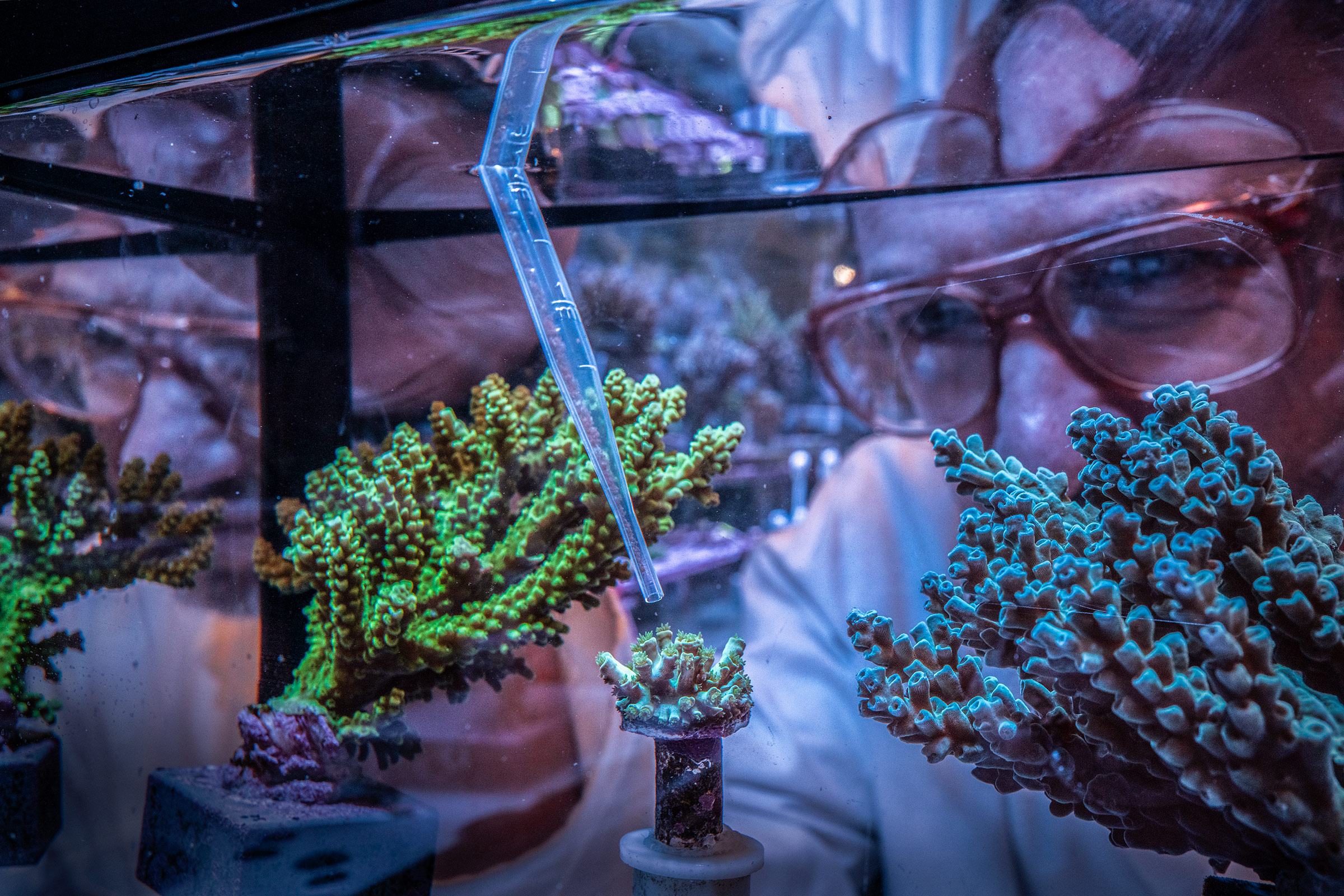
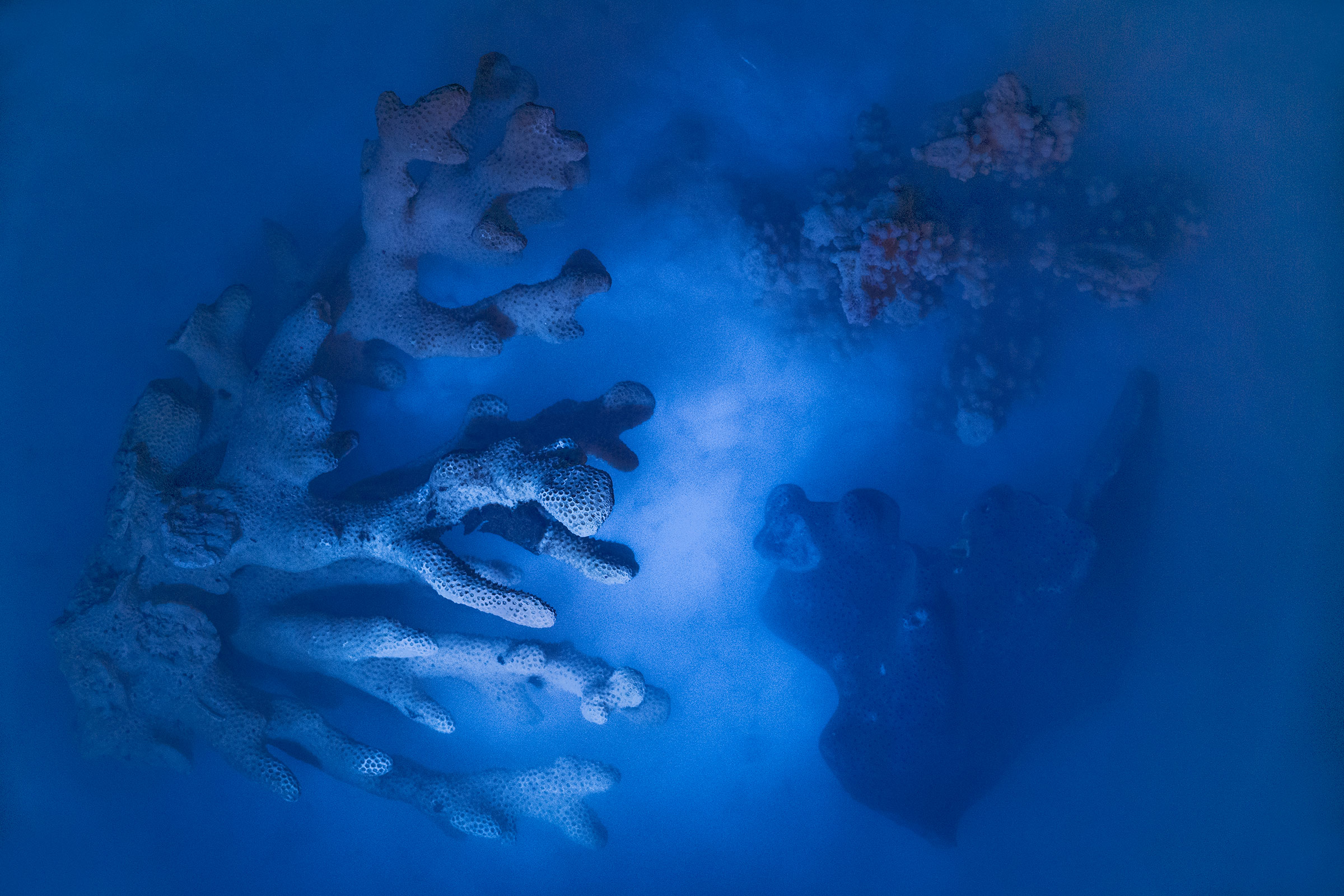
Coral reefs are home to one in four ocean species, support fisheries, and protect coastlines from storm surges and rising sea levels. And they are at risk. Last fall, scientists reported that warm-water coral reefs are passing their planetary tipping point, a threshold that, once crossed, leads to large, accelerating, and often irreversible changes. Photographer Britta Jaschinski spent six months with scientists across the U.K. and Germany as they race to make these critical ecosystems more resilient, whether by freezing coral sperm in biobanks or controlling coral reproduction in labs like the one pictured above. Molecular collections coordinator Laura Sivess of the Natural History Museum, London, and biobank manager Louise Gibson, of the Institute of Zoology, London, are seen collecting coral fragments to be used in genetic diversity and geographic origin investigations.
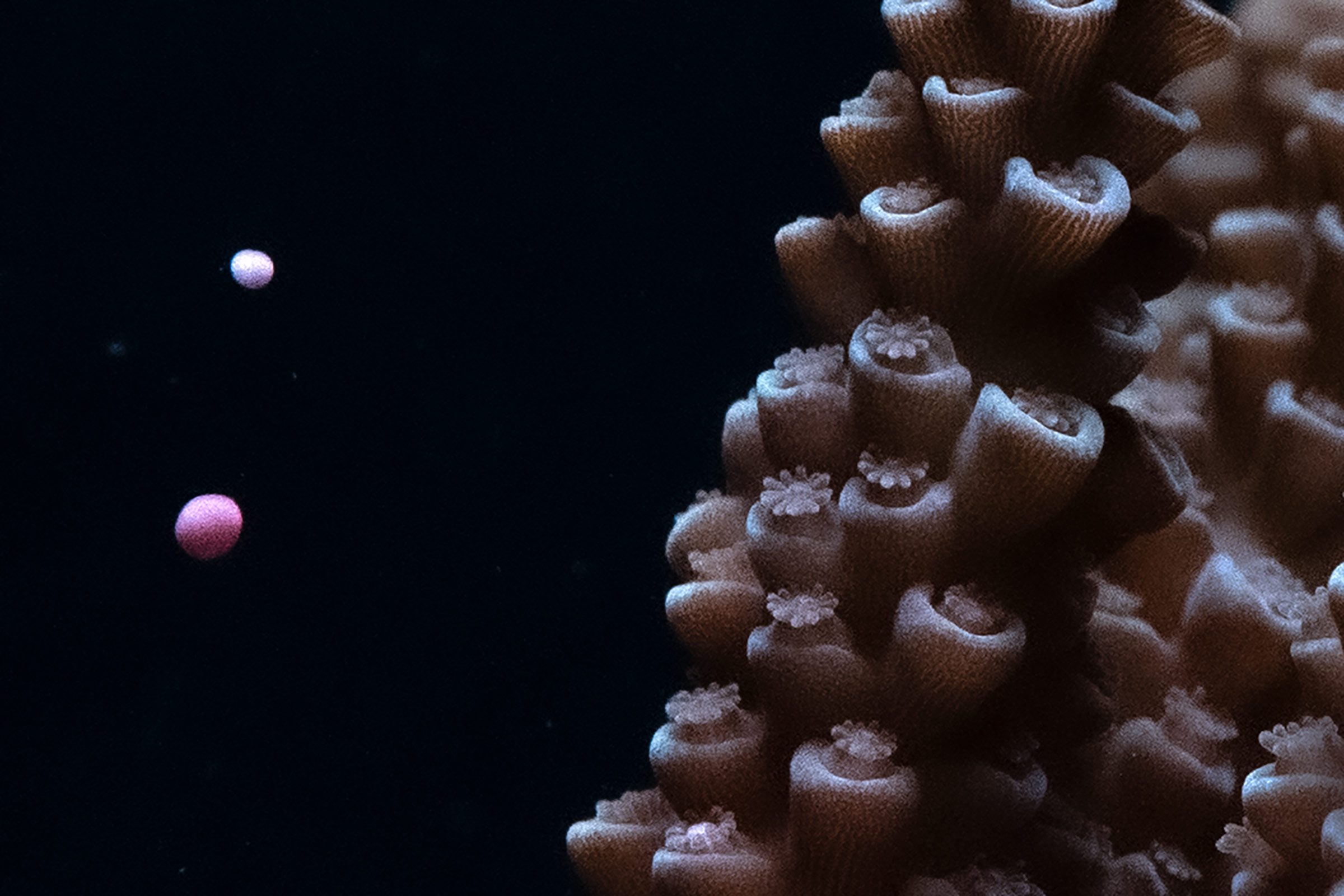
Jamie Craggs feeds a lab-born juvenile Acropora under the watch of its parents—the adult colonies flanking it. If corals are too far apart to reproduce naturally, scientists can bring them together to assist fertilization and rear larvae. Selectively breeding the strongest corals can produce more adaptable offspring better equipped to withstand accelerating warming.
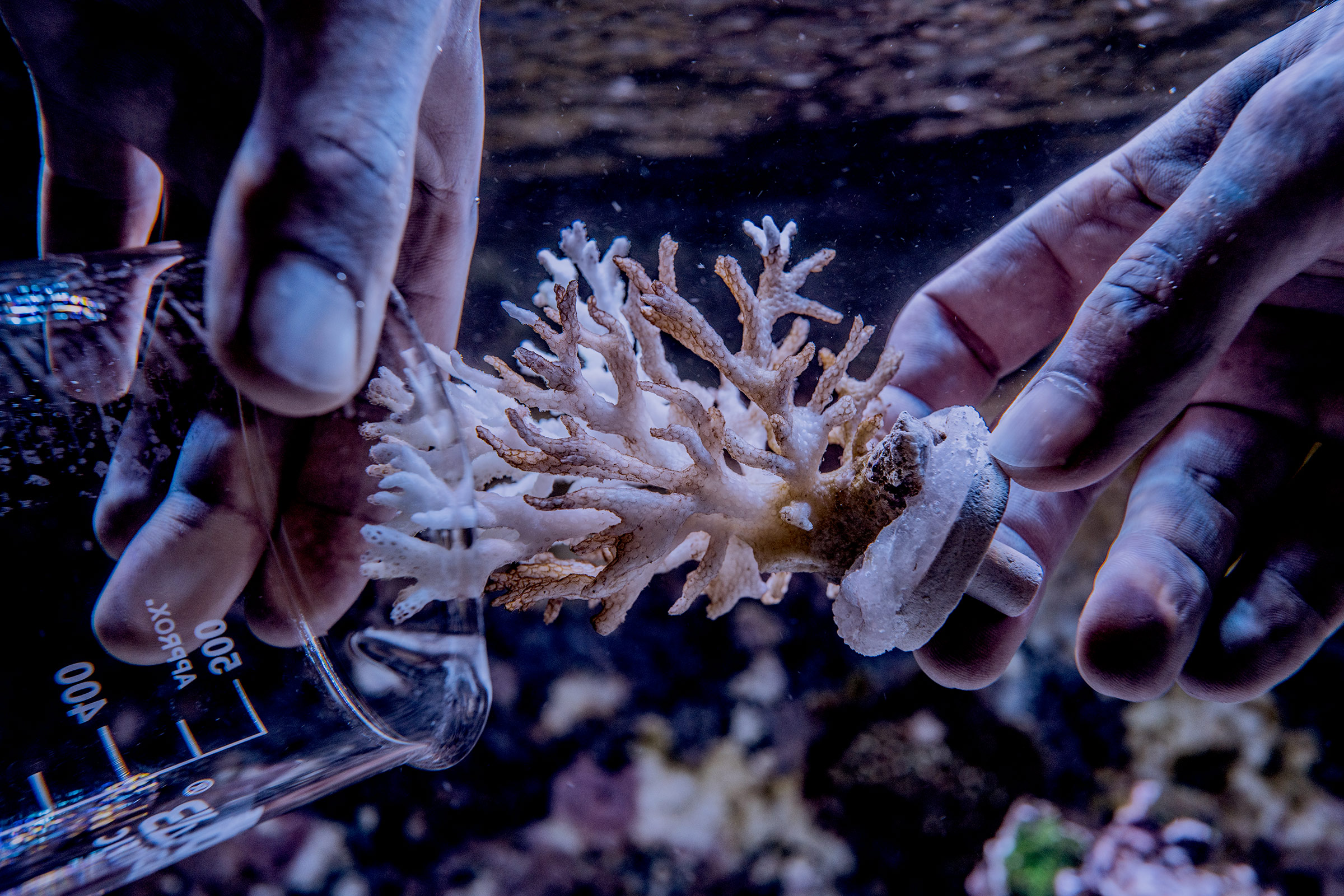
During a spawning event, corals package their sperm and eggs together into small bundles called gametes that rise to the water surface. This method of reproduction allows reefs to spread over a broad geographic area while increasing genetic diversity. Coral typically spawn only once a year, cues from the lunar cycle and the water temperature prompting entire colonies to release their gametes around the same time.
In aquarium experiments, corals are gradually exposed to higher water temperatures, raised by about 1°C per day to see when they bleach— expelling the algae living inside them and losing their vibrant color. Many start to bleach when temperatures rise just 1–2°C above their usual summer maximum. After the trials, bleached corals are moved back to cooler water to recover. Studies show corals previously exposed to mild heat stress can sometimes become more tolerant in later events. These experiments help researchers understand which are more likely to survive warming oceans.

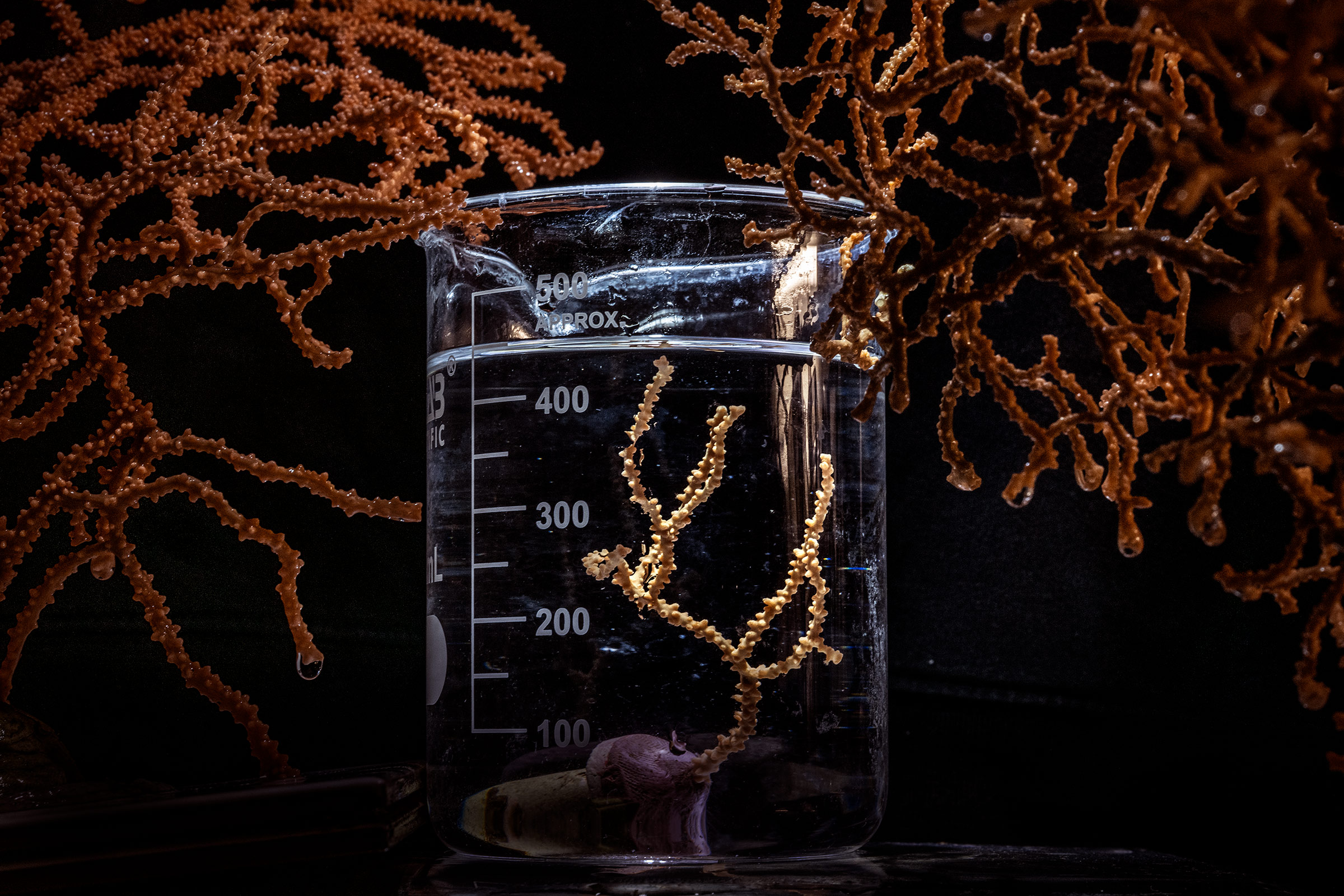
In the wild, corals release eggs and sperm into the sea during mass spawning events, but rising temperatures are disrupting these delicate cycles. Replicating seasonal temperature changes and natural lunar patterns can trigger these reproductive events in labs. In 2024, scientists at the Horniman Aquarium’s Project Coral lab in London successfully spawned and reared the threatened Pink Sea Fan, marking the first time the species was successfully raised in captivity in the U.K. “It’s not a silver bullet,” says Jamie Craggs, principal aquarium curator at the Horniman Museum and Gardens. “Restoration is not going to rebuild the world’s reefs. The scale at which we need to act is just far too vast for the current technology that we have. Restoration is about buying time in pockets to give corals at least a fighting chance into the future.”
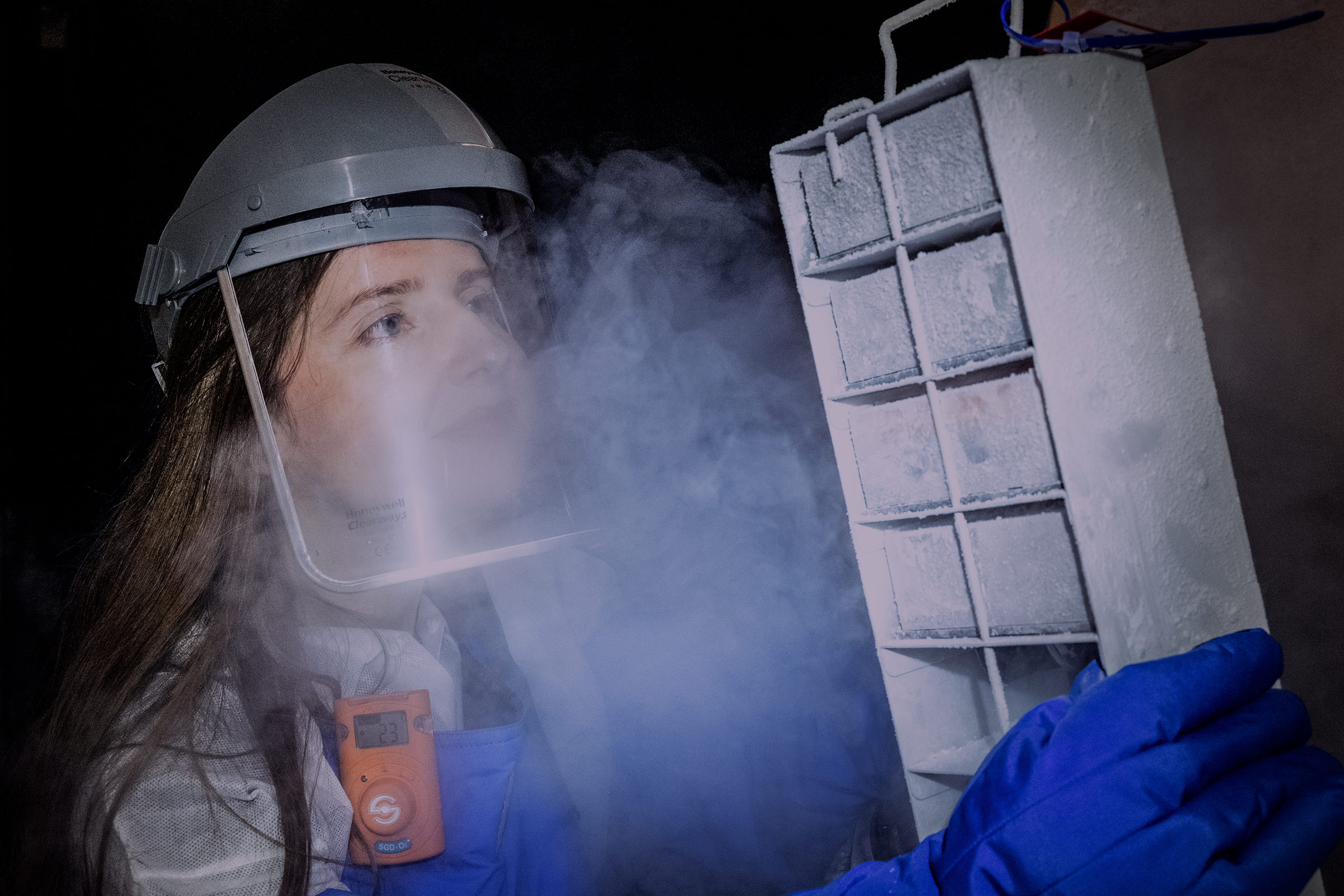

Laura Sivess, molecular collections coordinator at the Natural History Museum, London, transfers coral fragments and sperm into liquid nitrogen storage. As climate change and ocean acidification threaten the future of reefs, biobanks can serve as an insurance policy, preserving genetic diversity and allowing scientists to restore reefs in the future.
Three coral frag plugs contain four 10-month-old Trachyphyllia corals (also known as open brain coral) with diverse genetic makeup. Diversity plays a key role in boosting resiliency, making some corals more resistant to heat stress. Gene editing meanwhile helps scientists understand which genes are responsible for greater thermal resilience.
In 2023, researchers successfully cryopreserved and revived fragments of adult coral for the first time. Using antifreeze and liquid nitrogen, scientists froze coral pieces into a glasslike state before thawing them and returning them to seawater. Within 24 hours of revival, the corals consumed oxygen at rates comparable to those that had never been frozen. The breakthrough arrives at a critical time, as coral reefs worldwide face increasing stress from warming oceans. Marine biologist Mary Hagedorn and her team say this advancement could eventually allow scientists to store coral for decades. “When you put an organism into liquid nitrogen, it goes into stasis,” she says. “It just stops biological time.”
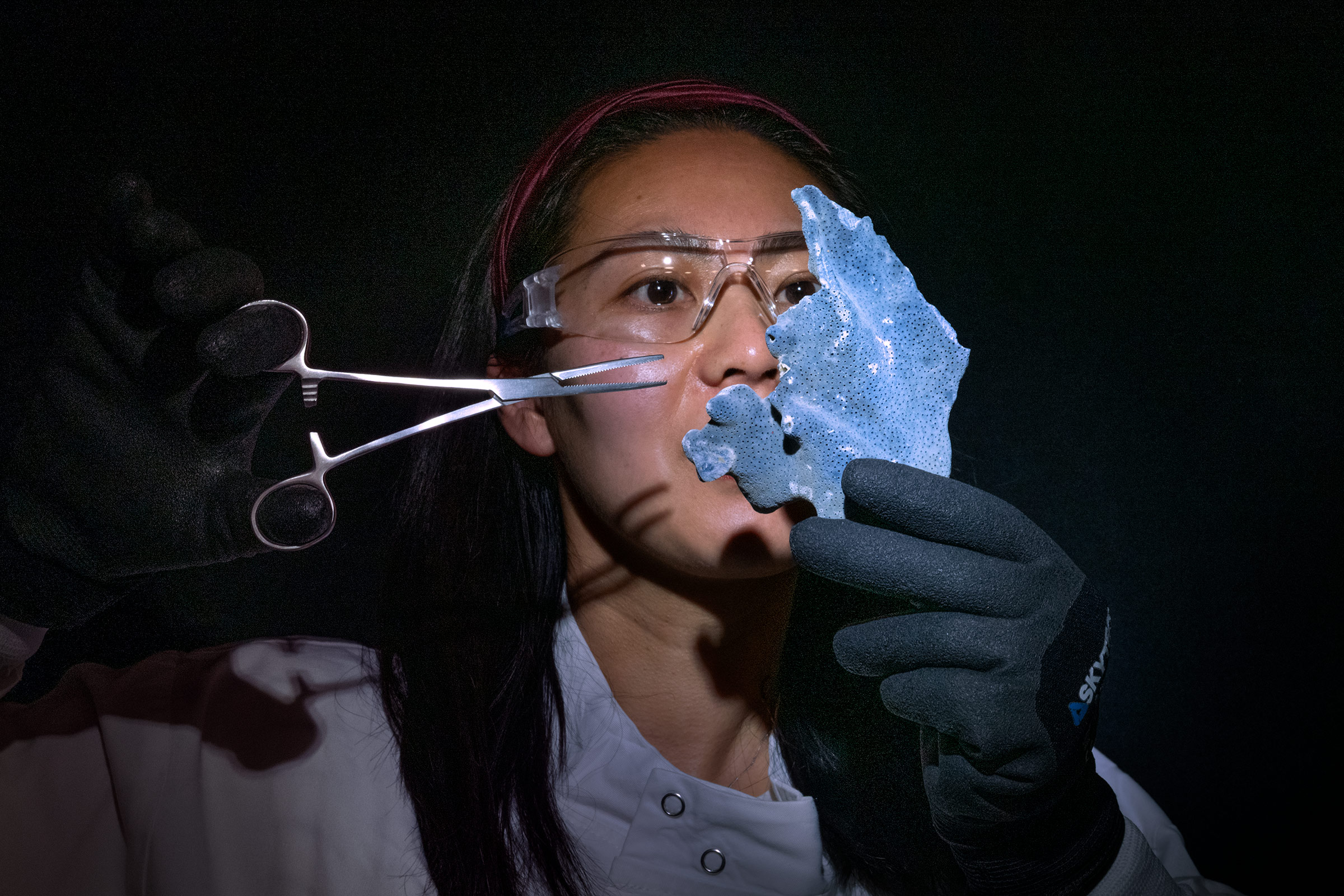
Louise Gibson observes a Blue coral (Heliport coerulea). Researchers learn about reef restoration, coral resilience, and environmental history from coral fragments, leveraging both living pieces for restoration and dead skeletal parts as historical records.
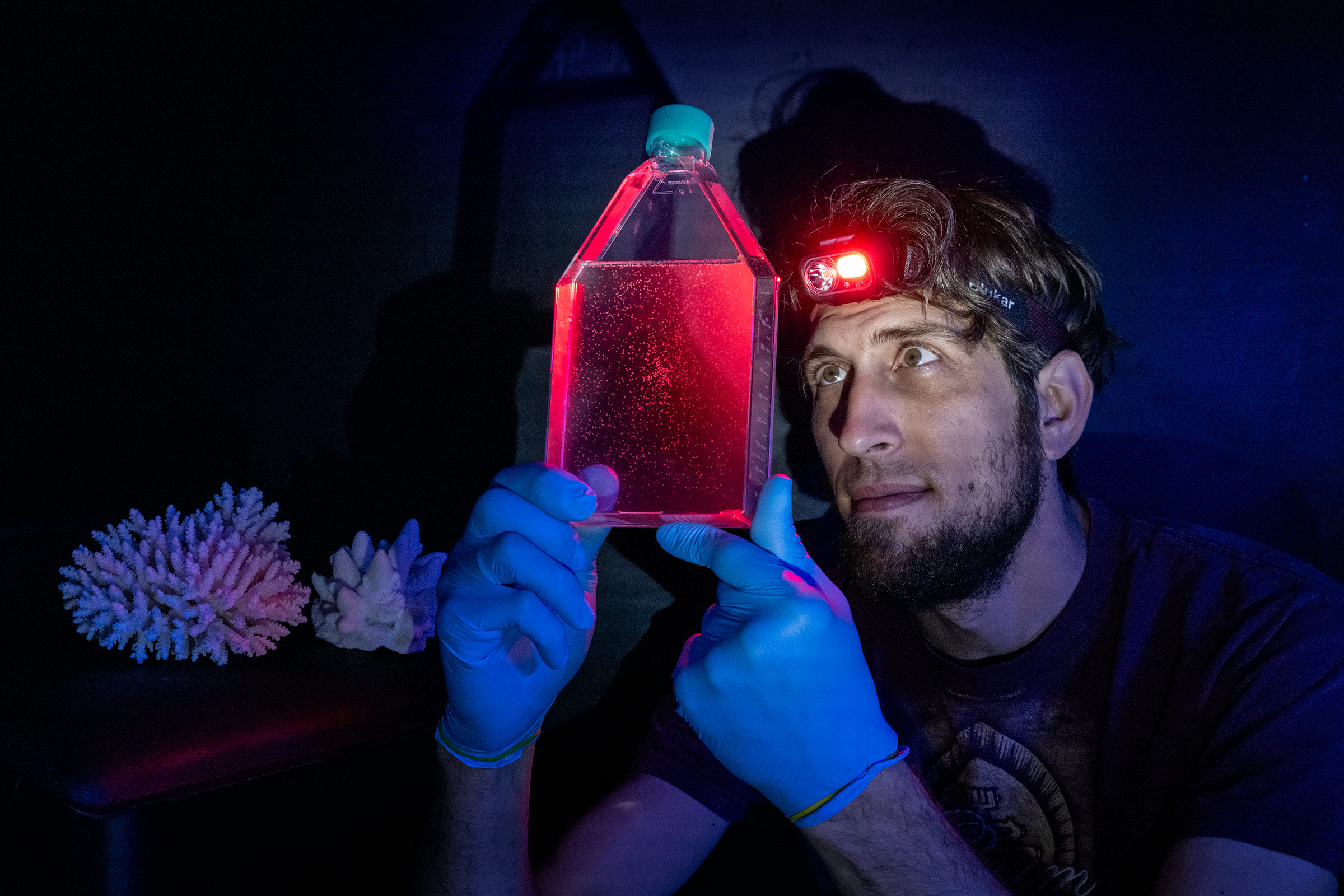
Samuel Nietzer of the University of Oldenburg, Germany collects gametes after lab-triggered spawning. In his lab, a kind of coral IVF takes place, and new coral larvae develop within a few days. Traditional reef restoration often relies on fragmenting and replanting existing corals, while lab-controlled breeding can create genetically diverse offspring from carefully selected parent colonies. “When you fragment a coral again and again, you may have hundreds or even thousands of pieces that you can bring out on a reef, but it’s genetically all the same,” notes Mareen Moeller, Nietzer’s colleague and partner. Meaning, they are all equally vulnerable: “Any stressor that comes in will affect all of these fragments exactly the same.”
Controlled feeding regimens, water-quality management, and larval settlement support help researchers improve juvenile coral survival rates before outplanting them onto vulnerable reef habitats. These advances also provide critical insights into the species’ reproductive biology and resilience to environmental stressors like warming seas and ocean acidification.
Coral reef analyst Paul Pearce-Kelly and biobank manager Louise Gibson from the Institute of Zoology, London, identify seized coral and compare it to Pearce-Kelly’s reference library, which he built up over his career. Archival coral specimens can provide clues on reef health and past environmental conditions in the context of climate change.

المصدر: TIME

4 مشاهدة

أضف تعليقاً

لن يتم نشر عنوان بريدك الإلكتروني. الحقول الإلزامية مشار إليها بـ *