Pas says Bersatu internal crisis weakening PN grassroots machinery
KOTA BARU: Internal divisions within Bersatu are beginning to weaken Perikatan Nasional’s (PN) grassroots machinery nationwide, says Pas.
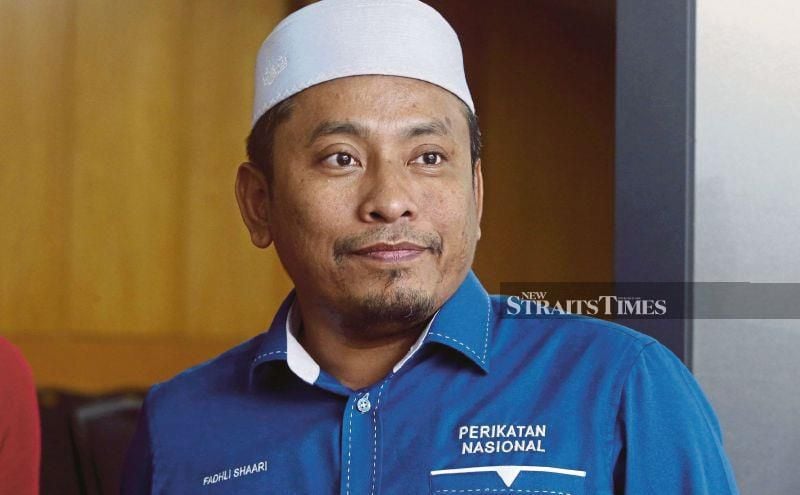
Its information chief Ahmad Fadhli Shaari said reports from state commissioners and internal surveys indicated that several Bersatu divisions and branches had either been dissolved, become inactive or were increasingly aligned with the “Reset” faction linked to Datuk Seri Hamzah Zainudin.
He said Pas was conducting a political assessment based on recent developments within PN, particularly Bersatu’s internal crisis, which he claimed was now affecting coalition strength on the ground.
Fadhli said that Pas president Tan Sri Abdul Hadi Awang’s May 22 statement on reassessing ties with Bersatu was not made impulsively, but followed formal party deliberations.
He said the matter had been discussed in more than five meetings involving the Pas central working committee and daily committee before being tabled and endorsed by the Syura Council on May 18.
“This means Pas’ decision was made through the syura mechanism, field assessments and collective discussions, not the preference of any individual,” he said.
“Pas is not a party owned by an individual. Even the president is bound by collective decisions made through the Syura Council and central leadership structures.”
Fadhli said Pas had been monitoring Bersatu’s internal disputes for the past four to five months, particularly tensions involving its leadership and the “Reset Team” faction.
He claimed the crisis was no longer an internal Bersatu matter, but a structural issue affecting PN as a whole.
He also said tensions emerged during the PN Supreme Council meeting on May 16 over applications by four Malay-Muslim parties seeking to join the coalition, but Pas delegates opted not to escalate the matter.
“If one component is weakening, then logically the coalition must be strengthened with new forces. However, this is something Bersatu is strongly opposing,” he said.
Fadhli said that Pas was increasingly carrying the burden of PN’s grassroots machinery, citing what he described as Bersatu’s inactive branches, manpower shortages and internal leadership issues.
He also dismissed claims that Pas practised a “mullah culture”, saying the allegation referred to the perception that Pas was led by religious clerics who allegedly dominate decision-making without accountability.
Fadhli rejected this, insisting Pas’ syura system functioned as an internal check-and-balance mechanism that ensures collective leadership rather than clerical rule.
He further rejected attempts to portray PN chairman Datuk Seri Dr Ahmad Samsuri Mokhtar as a “lame duck”, saying leadership strength in Pas was defined by adherence to collective decisions rather than individual autonomy.
© New Straits Times Press (M) Bhd
المصدر: New Straits Times